
16 January 2026
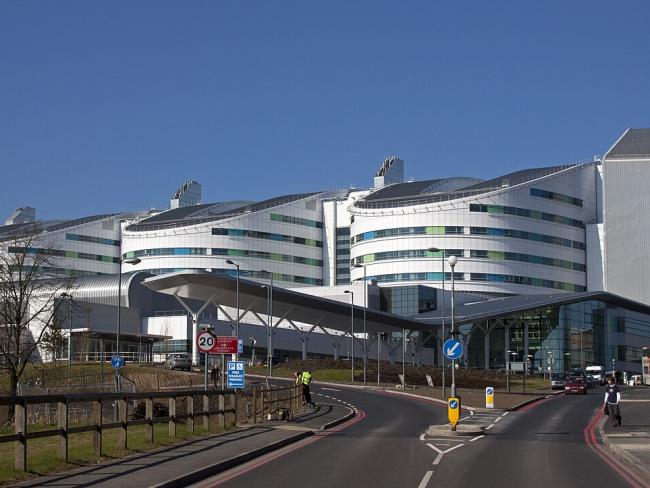
Queen Elizabeth Hospital, the largest in the University Hospitals Birmingham NHS Foundation Trust. Photo Tony Hisgett via Wikimedia (CC BY 2.0).
University Hospitals Birmingham NHS Foundation Trust, one of the biggest NHS employers in the West Midlands, has scrapped its international fellowship programme for doctors. This followed a review by the management consultancy KPMG which found significant governance and ethical failures.
The £40 million scheme brought doctors, mostly from Pakistan, to work in the trust’s hospitals, In January, freedom of information requests lodged by journalists from the Health Service Journal, and reported in the British Medical Journal, revealed the report from last July.
Red list
Pakistan is on the World Health Organization’s recruitment red list of countries. This means employers should not recruit health workers from that country as its healthcare provision is classed a vulnerable. But that was far from the only issue.
The review found that under an “unusual” financial arrangement the fellows’ pay was channelled through a third-party company, Scholar and Trainee Services Ltd, registered at a residential address in Birmingham. Over the lifetime of the scheme the trust paid £40 million to the company. But it had no contract with the company, received no invoices and had no idea how much money was passed on to the individual doctors.
No checks
Recruitment trips by senior UHB staff to Pakistan, which could last for two weeks went undeclared. No pre-employment checks, such as criminal record checks, were carried out.
None of the international training fellows paid UK tax on the income. And their training agreement failed to mention any basic employment rights, such as sick pay or leave entitlement.
No return
This purported to be a “learn and return” scheme: after training the doctors would return to Pakistan. But the review surveyed 80 doctors who had completed the programme and found that over 50 of them were now registered with the General Medical Council and working in Britain.
• BMA resident doctor members have been campaigning against the import of doctors from abroad while British medical graduates are unable to find training posts. The government has now announced a Medical Training (Prioritisation) Bill which will give priority for applicants to the Foundation Programme and specialty training to graduates from UK medical schools.