
23 June 2026
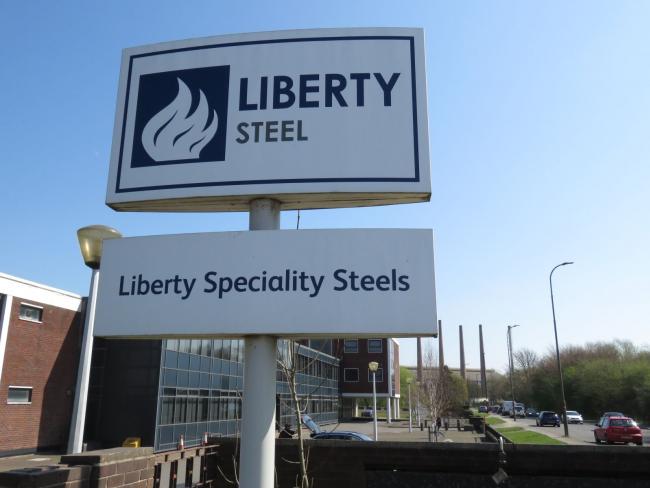
Firms like Liberty Steel are at risk from government procurement policy. It manufactures speciality steels at Aldwarke, Yorkshire and other sites. Photo Workers.
In late May, the Guardian reported that the Chancellor, Rachel Reeves had written to government colleagues about procurement. She told them to buy British “wherever possible” when awarding government contracts for steel, shipbuilding, energy and artificial intelligence.
Before his resignation as defence minister, John Healey announced “a new approach” at the GMB trade union conference on 9 June. He said this “…looks to give credit in future defence contract decisions to British-based companies”.
Healy said that he would make greater use of national security exemptions for defence contracts. These allow the government to direct that certain capabilities are to be built in Britain.
Claims
He claimed that for large defence contracts the government would ensure that, “…there are provisions to require any significant sub-contracts to be placed with UK-based companies, or guarantee competitions so UK competitors aren't shut out.”
Meanwhile further delays to the Defence Investment Plan are causing concerns for businesses and trade unions.
EU agreement
Reeves and Healey both avoid mentioning that the free trade agreement between the UK and the EU combined with World Trade Organization rules allow companies based in the EU and many WTO member countries to bid for government contracts above certain amounts.
Hence the qualification to buy British “where possible”. And in any case there are tight legal tests which would limit the action to a few sectors important to national security. It is a long way from the impression the government tried to give.